
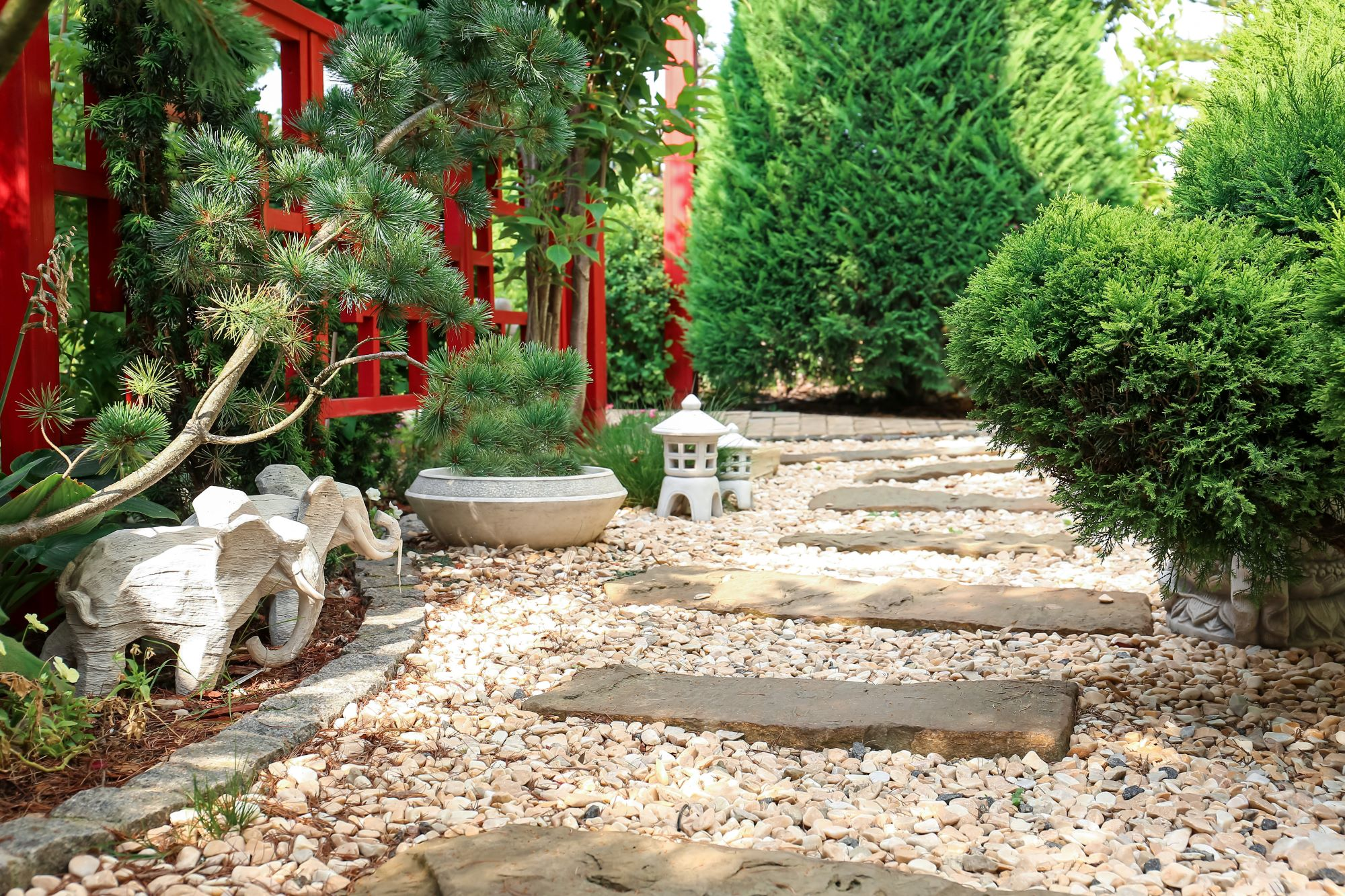
Hardscaping refers to the non-living elements used in landscape design to improve the structure, functionality, and visual appeal of an outdoor space. These features are typically built using durable hardscaping materials such as natural stone, concrete pavers, brick, gravel, and wood. Common hardscape elements include patios, walkways, retaining walls, fire pits, driveways, pergolas, gazebos, and outdoor kitchens.
While landscaping often focuses on plants, trees, and greenery, hardscaping provides the foundation that shapes how an outdoor space is used. It creates defined areas for relaxing, entertaining, and moving throughout the yard. When hardscaping features are combined with softscape elements such as flower beds, mulch, and shrubs, the result is a balanced outdoor environment that is both practical and visually appealing.
For homeowners in Mid-Missouri, hardscaping projects are a popular way to improve curb appeal, increase the usability of their outdoor space, and create durable landscape features that can be enjoyed year-round.
Hardscaping vs. Softscaping
Most landscaping projects include a mix of hardscaping and softscaping. Each plays an important role in the overall outdoor design.
Hardscaping includes the structural features made from hard landscape materials. These elements create permanent structure and organization in the yard.
Examples of hardscaping include:
- Patios and stone patios
- Walkways made with pavers or natural stone
- Retaining walls that support soil and manage elevation changes
- Driveways built with pavers or decorative concrete
- Fire pits and outdoor fireplaces
- Pergolas and gazebos that provide shade
- Outdoor kitchens and seating areas
- Decorative water features
Softscaping refers to the living elements in the landscape. These features bring color, texture, and natural beauty to the yard.
Common softscape features include:
- Grass and lawn areas
- Flower beds
- Trees and shrubs
- Mulch beds
- Seasonal plantings and greenery
Hardscape elements provide durability and functionality, while softscape elements add life and natural beauty. When the two are designed together, they create a landscape that feels both structured and inviting.
Common Hardscaping Materials
Choosing the right landscape materials is an important part of any hardscaping project. The materials used influence durability, appearance, and long-term maintenance.
Some of the most common hardscaping materials include:
Concrete pavers
Concrete pavers are widely used for patios, walkways, and driveways. They are durable, versatile, and available in many shapes, colors, and patterns.
Natural stone
Natural stone, including flagstone and limestone, is often used for stone patios, walkways, and decorative features. It offers a timeless look and blends well with natural surroundings.

Brick pavers
Brick is another classic hardscaping material that works well for patios and walkways. It creates a traditional appearance and provides strong durability.
Retaining wall blocks
These engineered blocks are designed to support soil and create stable retaining walls. They also allow homeowners to build raised garden beds or multi-level landscape designs.
Gravel and decorative rock
Gravel and decorative stone are often used for walkways, drainage areas, and landscape accents.
These materials are chosen not only for their appearance but also for their ability to withstand weather, heavy foot traffic, and years of outdoor use.
Popular Hardscaping Features
Hardscaping projects can range from simple additions to large outdoor living spaces. Some features are designed primarily for functionality, while others serve as visual focal points in the landscape design.
Patios and Outdoor Living Spaces
Patios are among the most common hardscaping features homeowners choose. A patio creates a designated outdoor space for relaxing, dining, and entertaining guests.
Patios are often built using concrete pavers or natural stone because these materials are durable and relatively low-maintenance. A well-designed patio can serve as the central gathering space for an outdoor living area.
Walkways and Driveways
Walkways improve accessibility and help guide foot traffic through the yard. They also connect different areas of the landscape, such as patios, gardens, and entrances.
Driveways made with pavers or natural stone can significantly improve curb appeal while adding durability and visual interest compared to standard poured concrete.
Retaining Walls
Retaining walls are both functional and decorative. They help manage elevation changes in sloped yards while preventing soil erosion and controlling runoff.
In addition to their structural benefits, retaining walls can also create raised garden beds, seating areas, or defined landscape borders.
Fire Pits and Outdoor Fireplaces
Fire pits and outdoor fireplaces create a natural focal point in the outdoor environment. They provide warmth and allow homeowners to enjoy their outdoor living space during cooler evenings.
These features are especially popular for entertaining and creating a comfortable gathering area for family and friends.
Pergolas and Gazebos
Pergolas and gazebos add vertical structure and shade to outdoor spaces. They help define seating areas or patios while providing partial protection from the sun.
These structures also enhance the visual appeal of a landscape by adding architectural design elements.
Outdoor Kitchens
Outdoor kitchens are becoming increasingly popular among homeowners who enjoy hosting gatherings or cooking outside. These spaces can include built-in grills, countertops, seating areas, and storage.
An outdoor kitchen can transform a backyard patio into a fully functional outdoor living space.
Benefits of Hardscaping
Adding hardscape features offers several long-term benefits for homeowners.
Some of the most common advantages include:
- Improved curb appeal and property value
- Increased functionality of the outdoor space
- Creation of outdoor living areas for relaxation and entertainment
- Reduced maintenance compared to large lawn areas
- Better management of runoff and soil erosion
- Long-lasting durability of landscape features
- Defined focal points within the overall landscape design
Because hardscaping materials are designed for strength and weather resistance, these features typically require less upkeep than plant-based landscaping.
Upgrade Your Outdoor Space with Hardscaping in Mid-Missouri
Hardscaping is one of the most effective ways to improve both the appearance and functionality of your outdoor space. From paver patios and walkways to retaining walls, fire pits, and outdoor kitchens, these features can transform how homeowners use their yard.
A well-planned hardscaping project creates durable outdoor areas that are enjoyable year-round while also improving curb appeal and property value.
If you are planning a landscaping project in Mid-Missouri, Cornerstone Landscaping can design and install hardscaping features that improve usability, durability, and visual appeal.
Request an estimate or contact us with any questions. Curious about our quality of work? Read our client reviews.